Vietnam or Thailand: Where should I go?
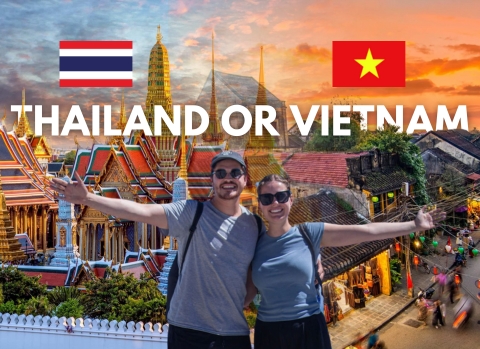
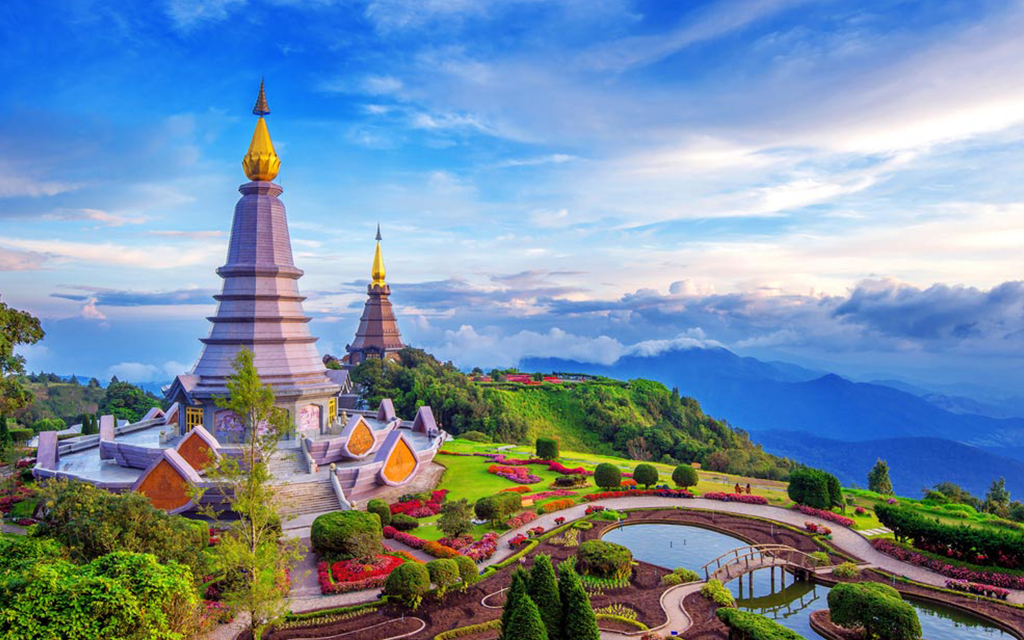
Thailand and Vietnam - two shining stars of Southeast Asia - have long captured the hearts of travelers from around the world. Both countries are known for their stunning nature, rich culture, tasty food, and friendly people.If you're torn between sipping coconut water on a Thai island or slurping a hot bowl of Pho in a bustling Vietnamese street, you’re not alone. So, which one should you choose for your next big tour? Let’s dive into travel tips & experiences and find out which destination fits your travel style best.[incredible_toc]1. Vietnam or Thailand: Which Country is Cheaper to Travel?When it comes to affordable travel in Southeast Asia, both Vietnam and Thailand are budget-friendly, but if you're really watching your wallet, Vietnam is usually the cheaper option overall.1.1. AccommodationIs Vietnam or Thailand better to visit? In Vietnam, budget travelers can easily find hostels or guesthouses for $6-$10 per night, and even comfortable mid-range hotels or boutique stays for $20-$40. In rural areas or smaller towns like Ninh Binh or Hoi An, prices drop even lower.In Thailand, hostels in cities like Bangkok or Chiang Mai start from $8-$12, and mid-range hotels typically range from $30-$60. Island destinations like Phuket or Koh Samui are often more expensive, especially during high season, with even basic rooms starting around $40 or more.Thailand landmark sighseeings1.2. Food & DrinkVietnam is famous for its cheap and delicious street food. You can grab a bowl of Pho, a plate of Com Tam (broken rice), or a Banh Mi for just $1-$2. Local beer (like Bia Saigon or Hanoi Beer) can be as low as $0.50 per bottle in local eateries.Thailand also offers fantastic street food at low prices. Dishes like Pad Thai, green curry, or mango sticky rice are usually $2-$3 from a street stall. However, in touristy places like Phuket or the islands, the same meals can cost $5-$8, especially in sit-down restaurants. Alcohol is also more expensive than in Vietnam, with local beer costing around $1.50-$2.50.Food tour in Vietnam1.3. TransportationGetting around in Vietnam is very affordable. A short ride on a motorbike taxi (Xe Ôm) or Grab bike might cost less than $1, and long-distance sleeper buses or trains are budget-friendly, often $10-$25 for several hours of travel. Domestic flights between cities (like Hanoi to Da Nang) can be found for as low as $25-$50 if booked early.In Thailand, public transport in cities is efficient but slightly more expensive. A BTS Skytrain ride in Bangkok is $1-$2, and domestic flights (like Bangkok to Chiang Mai or Phuket) often cost $30-$70, depending on the time of year. Ferries to the islands also add up, especially if you're hopping between several.Thailand train vs Vietnam train1.4. Attractions & ActivitiesWhich is best Vietnam or Thailand for activities? Many attractions in Vietnam, such as temples, museums, and historical sites, have low entrance fees (often $1-$5). Nature spots like waterfalls, rice terraces, or beaches are often free or very cheap to access. Guided tours (like Mekong Delta day trips or Halong Bay cruises) are reasonably priced.Thailand has many tours and experiences, but popular activities like island-hopping tours, elephant sanctuaries, or cooking classes can be more expensive, typically $30-$80 per tour.2. Food: Vietnamese or Thai - Which Tastes Better?Both Vietnamese and Thai food are world-famous, and for good reason. They’ve appeared in numerous global food rankings like CNN’s ‘World’s 50 Best Foods’ and have received international awards and recognition for their flavors, diversity, and street food culture.2.1. Vietnamese Food: Fresh, Light & BalancedVietnamese cuisine is all about balance and freshness. Dishes are often low in oil and use plenty of fresh herbs, vegetables, and rice-based ingredients. The flavors are clean, not overly spicy or rich, but still full of depth thanks to staples like fish sauce, lime juice, garlic, and chili.Many meals focus on a balance of sweet, salty, sour, and umami, often letting diners adjust the flavor to their liking with condiments at the table.Popular Vietnamese dishes:Pho - A light, aromatic noodle soup served with beef or chicken, fresh herbs, lime, and chili on the side. A staple breakfast for locals.Banh Mi - A crunchy baguette filled with grilled meats, pickled vegetables, herbs, and chili. A fusion of French and Vietnamese flavors.Bun Cha - Grilled pork patties and pork belly served with rice noodles, fresh greens, and a sweet-savory dipping sauce.Goi Cuon - Fresh spring rolls packed with shrimp, pork, vermicelli noodles, and herbs, wrapped in soft rice paper.Com Tam - Broken rice served with grilled pork, fried egg, and pickled vegetables.Cao Lau on Cai Rang Floating Market VietnamEven coffee in Vietnam has a signature twist. Ca Phe Sua Da (Vietnamese iced coffee with condensed milk) is strong, sweet, and refreshing, a must-try for caffeine lovers.Why travelers love it:Vietnamese food is healthy, thanks to the use of herbs and vegetables.Flavors are gentle and customizable.It’s affordable and easy to find, from street vendors to home-style restaurants.2.2. Thai Food: Bold, Spicy & Flavor-PackedThai food is typically spicier and richer than Vietnamese food, especially in southern Thailand. But it’s also very diverse, from the sweet-and-sour balance of tom yum soup to the creamy comfort of Thai curries. It uses a wide range of ingredients from fragrant herbs like lemongrass and Thai basil to rich coconut milk, chili, and fish sauce, often in one dish.Popular Thai dishes:Pad Thai - Stir-fried rice noodles with shrimp or chicken, egg, tofu, and peanuts in a sweet-savory tamarind sauce.Green Curry (Gaeng Keow Wan) - Creamy, spicy curry made with green chili paste, coconut milk, chicken, eggplant, and sweet basil.Tom Yum Goong - A hot and sour shrimp soup with lemongrass, galangal, lime, and chili.Som Tam - Spicy green papaya salad with peanuts, lime juice, fish sauce, and chilies.Mango Sticky Rice - A famous dessert of sweet coconut milk-infused sticky rice served with ripe mango slices.Pad Thai on Boat VendorWhy travelers love it:Thai food is bold and exciting, with layers of flavor in every bite.Spice lovers rejoice, Thai food brings the heat.Great variety from region to region, from the coconut-rich curries of the south to the herb-forward dishes of the north.3. Best Beaches: Vietnam or Thailand?This is one of the most common questions travelers ask when planning a Southeast Asia trip. Thailand is often the first choice when it comes to beach holidays. The country has hundreds of islands, ranging from world-famous destinations like Phuket, Koh Samui, and Koh Phi Phi, to lesser-known gems like Koh Lipe. These beaches are known for their soft white sand, turquoise water, and vibrant nightlife. You’ll find everything from full moon parties to peaceful wellness resorts. Island hopping is easy and well-organized, with boat connections running frequently between many islands.Phuket Beaches in ThailandIn contrast, Vietnam’s beaches are still somewhat underrated, but that’s changing fast. The country has over 3,000 kilometers of coastline, offering everything from lively beach cities like Nha Trang and Da Nang to quiet retreats on islands like Phu Quoc and Con Dao. While the infrastructure isn’t as developed as in Thailand, Vietnamese beaches tend to be more peaceful, less touristy, and often more affordable. They also offer a unique mix of beach and culture, with historic towns like Hoi An or Hue nearby.>> So, Vietnam or Thailand beaches are better? If you love energetic beach towns, buzzing nightlife, and easy access to island adventures, Thailand is a solid choice. But if you’re looking for a more relaxed, off-the-beaten-path experience with beautiful scenery and good value, Vietnam might surprise you, in the best way.4. Vietnam or Thailand: What Can You See and Learn?Thailand and Vietnam are both rich in culture and history. But what you’ll see and learn in each country is quite different.In Thailand, religion and tradition play a big role. You’ll see golden temples everywhere, especially in Bangkok, Chiang Mai, and Ayutthaya. You can learn about Buddhism, watch monks in the early morning, or even join a meditation class. Thai culture also includes Muay Thai boxing, traditional dance shows, and cooking classes, which many tourists love. You’ll also find royal palaces and ancient ruins that tell stories of Thailand’s kings and kingdoms.Many activities in ThailandIn Vietnam, the culture is shaped by a long and complex history. You can visit old cities like Hue and Hanoi, explore French colonial buildings, and walk around ancient citadels and pagodas. Vietnam’s past includes many wars, and you can learn about them at places like the War Remnants Museum or the Cu Chi Tunnels near Ho Chi Minh City. In the countryside, you can try rice farming, go fishing with locals, or meet ethnic minorities in the northern mountains.Hoi An Ancient Town in VietnamIn general, Thailand feels more polished and tourist-friendly, while Vietnam feels more local and real, especially in smaller towns and villages.>> So, which is better?Choose Thailand if you want to see beautiful temples, join cultural shows, and relax in a calm spiritual atmosphere.Pick Vietnam if you’re curious about history, want to meet local people, and enjoy seeing everyday life up close.5. Which Country has Better Scenery?5.1. Beaches & IslandsThailand is well-known for its tropical beaches and islands. Places like Phuket, Koh Phi Phi, and Koh Samui have soft white sand, clear blue water, and great spots for snorkeling or diving. These destinations are very developed for tourism, with lots of resorts and beach bars.Vietnam also has beautiful beaches such as Da Nang, Nha Trang, and Phu Quoc Island. Phu Quoc is growing fast, but in general, Vietnam's beaches are quieter and more relaxed. The water might not always be as clear as in Thailand, but you’ll often find fewer tourists.Koh Phi Phi Island in Thailand>> Thailand is better if you’re looking for picture-perfect islands with lots of tourist services. Vietnam is a good choice if you want peaceful, less crowded beaches.5.2. Mountains and ValleysNorthern Vietnam offers dramatic mountain views and rice terraces, especially in Sapa and Ha Giang. The mountains are steep and wild, and many villages are home to ethnic minority communities. These areas are great for trekking and cultural experiences.Northern Thailand also has mountains, especially around Chiang Mai and Pai. The scenery here is softer, with green hills, forests, and rivers. It’s a nice area for relaxed nature trips and outdoor activities.Ha Giang Scenery>> Vietnam is better for impressive mountain views and adventurous treks. Thailand is great if you prefer gentle landscapes and easy-going trips.6. Getting Around: Which Country is Easier to Travel?6.1. Transport OptionsThailand has a more developed tourist infrastructure. You can find good roads, regular domestic flights, and easy connections between cities and islands. Trains in Thailand are comfortable, especially the overnight ones between Bangkok and Chiang Mai. In popular areas like Phuket, Krabi, and Koh Samui, there are organized transfers and ferries that run smoothly.Tuk-tuk - the popular transport in ThailandVietnam also has many travel options, including domestic flights, buses, and trains. Major cities like Hanoi, Da Nang, and Ho Chi Minh City are connected by low-cost airlines. However, train services are slower and older than in Thailand. Roads in Vietnam can be busy and chaotic, especially in cities. Long-distance buses are common, but sometimes less comfortable for tourists.6.2. Getting Around CitiesIn Thai cities like Bangkok and Chiang Mai, public transport like the Skytrain (BTS), subway (MRT), and tuk-tuks make it easy to get around. Rideshare apps like Grab are widely used.In Vietnam, cities like Hanoi and Ho Chi Minh City are mostly traveled by taxi, motorbike taxi, or Grab. There are no subways (except for the new metro in HCMC that’s partly open), and traffic can be heavy. However, many travelers enjoy renting scooters or taking guided motorbike tours.>> Thailand is usually easier for first-time travelers, especially if you want to book things on the go or travel between islands. Vietnam requires a bit more planning, especially in rural areas.7. FAQs - Vietnam or Thailand?Q1: Is Vietnam or Thailand cheaper?A: In general, Vietnam is slightly cheaper than Thailand for food, transport, and accommodation. You can find local meals in Vietnam for just a couple of dollars. Thailand is still very affordable, but popular tourist areas can be more expensive.Q2: Is it easy to travel in Vietnam or Thailand without joining a tour?A: Yes, both countries are easy to explore on your own. However, Thailand is more beginner-friendly with better infrastructure and more English-speaking locals. In Vietnam, things can be more challenging but more adventurous.Tam Coc boat tourQ3: Do I need a visa to visit Vietnam or Thailand?A: It depends on your nationality. Thailand offers visa-free entry to many countries for 30 to 45 days. Vietnam also has visa waivers for some countries, but many travelers need to apply for an e-visa. Check the latest info before you go.Q4: Can I visit both countries in one trip?A: Yes! Many travelers combine Thailand and Vietnam in one trip. There are direct flights between Bangkok and major Vietnamese cities like Hanoi, Da Nang, and Ho Chi Minh City. You just need to plan your visa and flights in advance.Titop beach in Halong BayQ5: Which is Better for Nightlife: Thailand or Vietnam?Thailand is better for nightlife if you're looking for energy, variety, and late-night fun with beach parties, rooftop bars, nightclubs, and all-night entertainment. Cities like Bangkok, Pattaya, and Phuket are full of action, and islands like Koh Phangan host legendary Full Moon Parties that attract thousands of travelers.Choosing to visit Vietnam or Thailand, two of Southeast Asia’s brightest travel destinations, is not easy. If you are still unsure, why not visit both? Incredible Asia Journeys is here to help you plan the perfect trip. Contact us today for a free quote and start your adventure in Southeast Asia.
Read more